
Understanding Virtual Private Networks (VPNs)
In today’s digital age, privacy and security are of utmost importance. With the increasing amount of personal information shared online, many individuals turn to a technology known as a Virtual Private Network, or VPN. This article aims to provide a comprehensive yet beginner-friendly introduction to VPNs, their functions, benefits, and considerations.
What is a VPN?
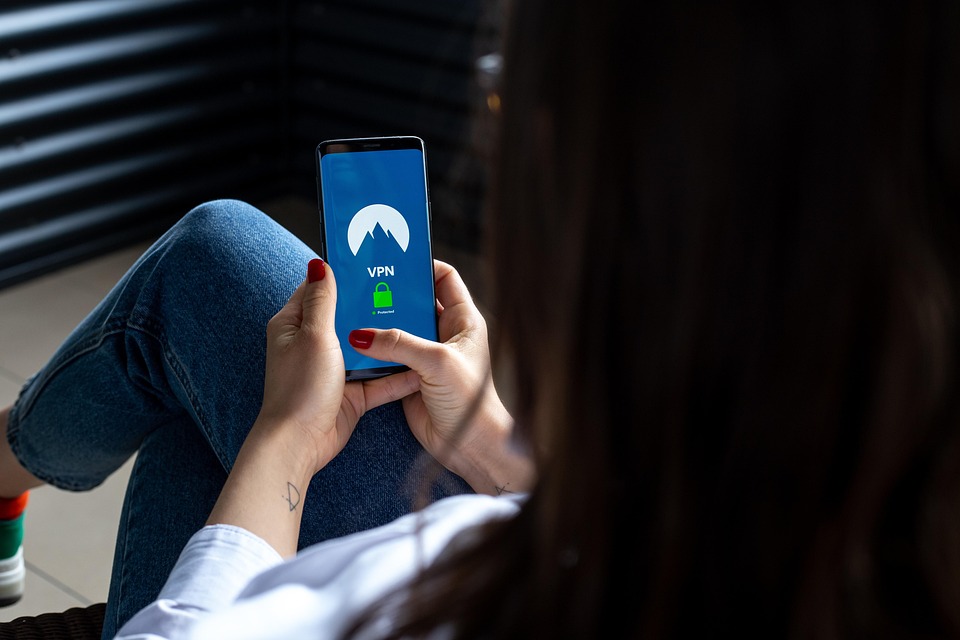
A Virtual Private Network (VPN) creates a secure connection over the internet between your device and a server operated by a VPN provider. This secure connection acts as a tunnel through which your data can travel safely, hiding your online activities from prying eyes.
How Does a VPN Work?
When you use a VPN, your internet connection is routed through the VPN server before reaching its final destination on the internet. Here are the main steps involved:
- Connection Initiation: You activate the VPN software on your device.
- Encryption: The VPN encrypts your data, transforming it into a code that is unreadable to anyone who might intercept it.
- Data Transmission: Your encrypted data is sent to the VPN server.
- Accessing Websites: The VPN server accesses the internet on your behalf, retrieving the information you requested.
- Data Return: The information is sent back to the VPN server, where it’s decrypted and sent to your device.
Key Terms
- Encryption: The process of converting information into a coded format to prevent unauthorized access.
- Server: A computer that provides data or services to other computers over a network.
- IP Address: A unique address assigned to your device, which allows it to communicate over the internet.
Benefits of Using a VPN
Using a VPN offers several advantages for internet users, including:
Enhanced Privacy
When you connect to a VPN, your actual IP address is hidden. Instead, websites and online services see the IP address of the VPN server. This makes it more difficult for companies or individuals to track your online activities.
Secure Data Transmission
A VPN encrypts your internet traffic, making it challenging for cybercriminals to access sensitive information, particularly when using public Wi-Fi networks. This extra layer of security is crucial for protecting personal data, like passwords and financial information.
Bypassing Geographical Restrictions
Some content on the internet may be restricted based on your geographical location. A VPN allows you to connect to servers in different countries, enabling you to access content that might otherwise be unavailable in your region, such as specific streaming services or websites.
Safe Remote Access
For businesses, VPNs provide employees with secure remote access to company resources from anywhere in the world. This is especially useful for employees working from home or traveling.
Considerations When Using a VPN
While there are many benefits to using a VPN, there are also factors to consider:
Quality of Service
Not all VPN services offer the same quality. Factors such as speed, reliability, and server locations vary among providers. Users should consider these aspects when choosing a VPN.
Legal and Ethical Aspects
Using a VPN to bypass geographical restrictions or for illegal activities can violate laws and agreements. Users should be aware of the legal implications of their usage in their respective countries.
Possible Performance Impact
Using a VPN can sometimes slow down your internet connection. This happens because your data is diverted through an additional server and encrypted. However, the impact depends on various factors, including the VPN provider and the server speed.
Trustworthiness of Providers
Since VPNs handle sensitive data, choosing a reputable provider is essential. Users should research and understand the privacy policies and practices of the VPN service they are considering.
How to Choose a VPN
When selecting a VPN, consider the following:
-
Privacy Policy: Examine how a provider handles user data. Look for no-logs policies, which indicate that the service does not store your activity records.
-
Server Locations: A wide range of server locations allows you to access content from different regions, enhancing your browsing experience.
-
Speed and Performance: Look for reviews or speed tests to gauge the performance of different VPN services.
-
User-Friendly Interface: Especially for beginners, a simple and intuitive interface can significantly enhance the user experience.
-
Customer Support: Good customer support can be helpful for users encountering issues or needing guidance.
Conclusion
A Virtual Private Network (VPN) can play a significant role in enhancing your online privacy and security. Understanding its basic functionality, benefits, and considerations is essential for making informed choices regarding your internet use. As the digital landscape continues to evolve, being aware of tools like VPNs allows users to navigate the internet more securely and privately.