
Understanding VPNs: A Beginner’s Guide
Virtual Private Networks (VPNs) are becoming increasingly popular as individuals and businesses seek to secure their online activities. This article aims to explain what a VPN is, how it works, and its various uses, while keeping the language simple and straightforward.
What is a VPN?
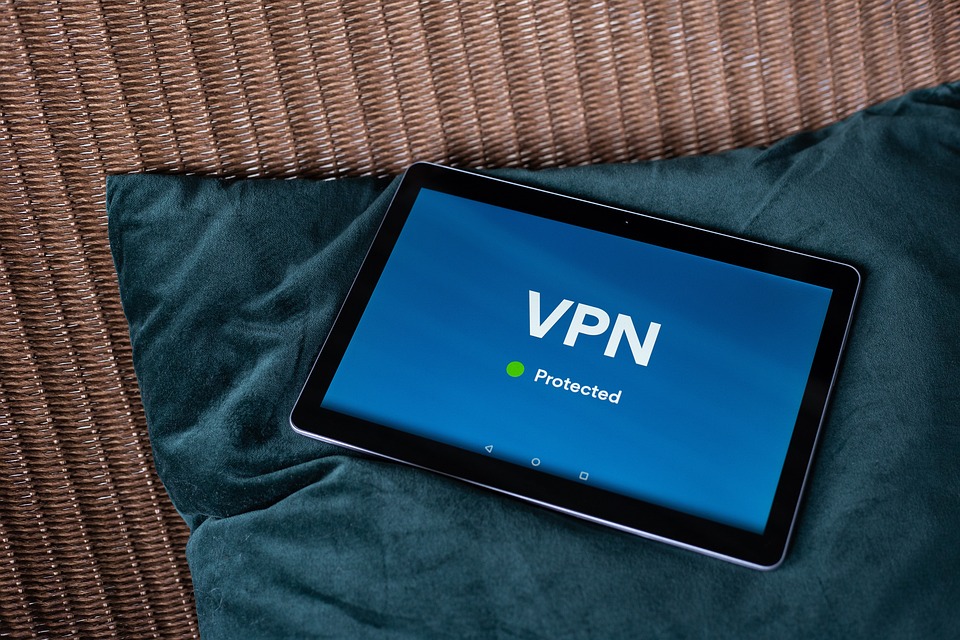
A Virtual Private Network, or VPN, is a technology that creates a secure connection over the internet. Think of it as a secret tunnel through which your data travels. When you connect to a VPN, your internet activity is routed through an encrypted connection, making it more difficult for others to see or access your data.
How Does a VPN Work?
To better understand how VPNs work, let’s break it down into simple steps:
-
Establishing a Connection: When you activate a VPN application on your device, it connects to a remote server operated by the VPN service. This can be located in various parts of the world.
-
Creating an Encrypted Tunnel: As you connect to the VPN server, your internet traffic is encapsulated in encryption protocols. This means the data you send and receive is made unreadable to any unauthorized person who might be trying to intercept it.
-
Changing Your IP Address: By connecting to a remote server, your original Internet Protocol (IP) address is masked. Instead of revealing your actual location, the internet sees the IP address of the VPN server. This adds an extra layer of privacy.
-
Accessing the Internet: Once your device is connected to the VPN, it can browse the internet as if it is at the location of the VPN server. This allows you to access websites and services as though you are physically located in another region.
Benefits of Using a VPN
Using a VPN can offer several advantages, particularly concerning privacy and security.
1. Enhanced Security
One of the primary reasons people use VPNs is for improved security. When connected to a VPN, your data is encrypted, which makes it significantly harder for hackers or other malicious entities to access your sensitive information. This is particularly important when using public Wi-Fi networks, which are often less secure.
2. Privacy Protection
A VPN helps in protecting your privacy online. By masking your IP address, it makes it difficult for websites, advertisers, and even governments to track your online activities. This means your internet behavior is less likely to be monitored.
3. Access to Restricted Content
Some websites and streaming services restrict access based on geographical location. By using a VPN, you can connect to servers in different countries, making it possible to access content that may be otherwise unavailable in your region.
4. Safe Remote Access
For businesses, VPNs are vital for enabling employees to securely access company resources while working remotely. This ensures that sensitive company data remains protected even when accessed from outside the office.
Considerations When Using a VPN
While VPNs offer many benefits, there are some factors to keep in mind.
1. Speed Reduction
Since your data is being routed through another server, you may experience slower internet speeds when using a VPN. The extent of this slowdown can vary depending on the quality of the VPN service and your internet connection.
2. Trust in VPN Providers
Not all VPN services are created equal, and some may not provide the level of privacy they promise. It’s essential to choose a reputable provider and understand their privacy policies, especially regarding data logging and user privacy.
3. Legality and Compliance
In some countries, the use of VPNs is restricted or outright illegal. Before using a VPN, ensure that it complies with the laws and regulations of your country.
Choosing a VPN: Key Features to Consider
If you decide to explore VPN options, consider the following features:
-
Security Protocols: Look at what encryption methods a VPN uses to secure your data. Stronger encryption usually means better security.
-
Server Locations: Check how many servers are available and in which countries. More server options can provide greater flexibility for accessing content.
-
User Reviews: Research user experiences with different VPN services to gauge reliability and performance.
Conclusion
A VPN can be a valuable tool for enhancing your online security and privacy. By understanding what VPNs are, how they work, and their advantages, you can make informed decisions about your online safety. Whether you are looking to secure your personal information while browsing or need to access content from different regions, knowing how VPNs operate is essential in today’s increasingly digital world. Always remember to evaluate the options available and comply with local laws surrounding VPN usage.