
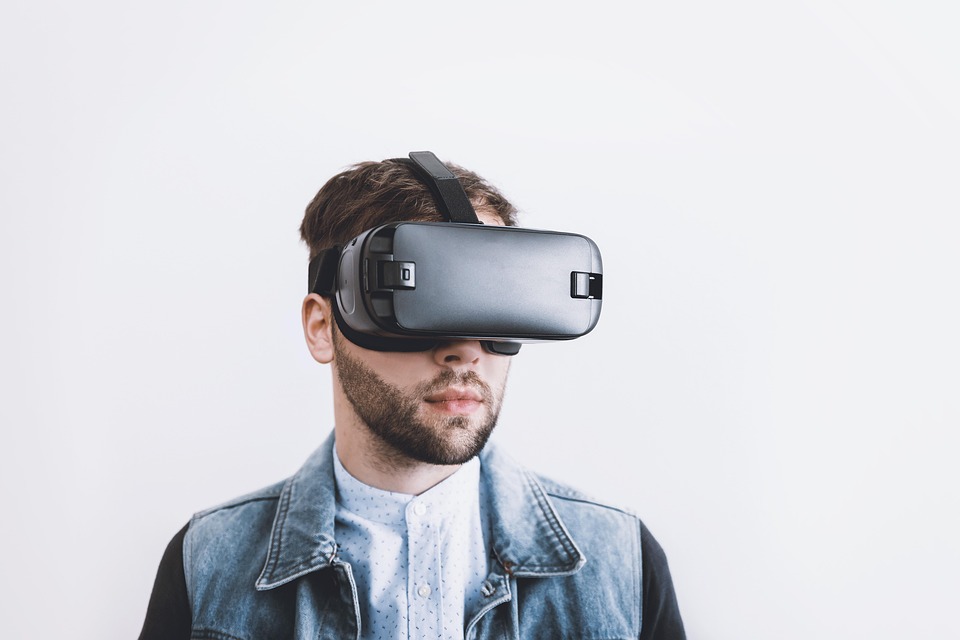

Virtual Reality: Exploring the Latest Advancements in Immersive Experiences
Virtual Reality (VR) has transitioned from a novel concept to a transformative tool across various industries. With advancements in hardware and software, VR is enabling immersive experiences that were previously unimaginable. This article delves into the latest innovations shaping the future of VR and their implications for users.
1. Enhanced Hardware Technology
The foundation of VR experiences relies heavily on the capabilities of the hardware involved. Recent advancements include:
- Higher Resolution Displays: New headsets boast 4K and even 8K resolution, providing users with incredibly detailed visuals.
- Improved Motion Tracking: Systems now use inside-out tracking to provide greater mobility and enhance the realism of experiences.
- Wireless Technology: Cutting the cords improves user freedom, allowing for more natural interactions within virtual environments.
2. Software Innovations
While hardware improvements are vital, software plays a crucial role in the VR experience.
- Realistic Simulations: From flight simulators to architectural walkthroughs, software is delivering increasingly lifelike and interactive environments.
- AI Integration: Artificial intelligence is being integrated to create responsive and adaptive virtual worlds, enhancing user engagement.
- Cross-Platform Compatibility: Developers are making strides to ensure that VR experiences are accessible across various devices, including smartphones and PCs.
3. Applications Beyond Gaming
While gaming has traditionally been the most visible use of VR, its potential extends far beyond that realm:
- Healthcare: VR is used for training medical professionals and even for therapy, providing a simulated environment to practice complex procedures.
- Education: Immersive learning environments allow students to experience subjects like history and science in a completely interactive way.
- Real Estate: Virtual property tours enable potential buyers to explore homes from the comfort of their location, enhancing the buying process.
4. The Future of VR
The future of virtual reality is undeniably bright. As technology continues to evolve, we can expect:
- Improved Accessibility: Efforts are underway to make VR experiences more inclusive and accessible to individuals with disabilities.
- Social VR: Virtual meetups and events are becoming more common, fostering connections in the digital space.
- Wearable Technology: With the rise of haptic feedback suits and sensory gloves, the physical sensations in VR will continue to become more realistic.
Conclusion
Virtual Reality is continuously evolving, blending technology with creativity in groundbreaking ways. As it makes its mark across various sectors, the possibilities for immersive experiences are limitless. Whether you’re a gamer, educator, or entrepreneur, embracing VR technology now can open doors to innovative opportunities.