
Xiaomi’s 2025 was marked by an impressive array of products across various categories. The company has moved beyond simply trying to match competitors like Apple and Samsung, demonstrating that it is carving its own niche beyond smartphones.
Xiaomi is rapidly emerging as a leading electric vehicle (EV) brand in China, and the early success of its first vehicle, the SU7, indicates it may achieve even greater success. However, smartphones remain a core part of Xiaomi’s business, so we’ll start our highlights with one of the standout devices of the year.
Winner: Xiaomi 15 Ultra
The Xiaomi 15 Ultra, while not revolutionary, boasts significant improvements over its predecessor that make it a top choice. The Ultra series showcases Xiaomi’s imaging capabilities, and this model highlights them effectively.
It features a rare combination of a 1-inch main camera and a 200MP telephoto periscope with 4.3x optical zoom, alongside a second 70mm telephoto module. With a 50MP ultrawide lens, the 15 Ultra is arguably the most versatile camera phone of the year.
Moreover, the device enhances the camera experience with better battery life and an appealing design, further enhanced by an optional photography kit.
Xiaomi 15 Ultra
Winner: Poco F7
You don’t need to spend a fortune to get a quality smartphone in 2025, as the Poco F7 exemplifies. This device features a vibrant 12-bit AMOLED display, a powerful Snapdragon 8s Gen 4 chipset, and impressive battery life, making it a compelling choice in the €330/£300/INR 30,000 range.
The F7 combines a premium aluminum and glass design with excellent performance and IP68 protection. While we would have liked minor camera upgrades since it essentially reuses the F6’s cameras, and we hoped for an updated USB connector, the Poco F7 remains one of the best all-rounders in its category.
Xiaomi Poco F7 5G
Winner and Loser: Xiaomi 17 Pro Max
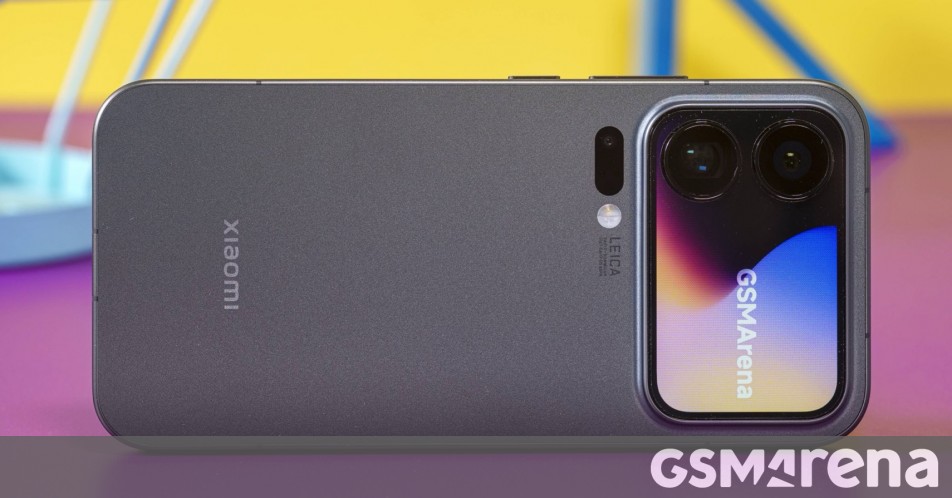
Among the many phones offering high-end specs, the Xiaomi 17 Pro Max stands out. Although adding a rear display in the camera island isn’t new for Xiaomi, its size and multifunctionality give it a unique edge.
The secondary screen enables features like answering calls and checking notifications, as well as providing a viewfinder for improved selfies and vlogging. The device’s flagship main display, Snapdragon 8 Elite Gen 5 chip, outstanding battery life, and 100W charging are also notable highlights.
Unfortunately, Xiaomi has not indicated plans to release the 17 Pro Max globally. While we appreciate the overall design, the naming choice raises concerns; it seems to be an attempt to compete with Apple, which may not resonate well with consumers.
Loser: Redmi Note 14 5G (global)
Frustration with the Redmi Note series’ naming scheme continues, now exacerbated with the Note 14 series, which includes multiple models based on regional availability. The Redmi Note 14 5G, while tailored to consumer needs, does not meet expectations in performance, camera quality, or battery life when compared to competitors.
Winner: Xiaomi YU7
Xiaomi’s EV division emerged as a clear success last year, with the SU7 sedan performing well and the YU7 electric SUV following suit. The YU7 is expected to carry this momentum into 2026, with strong demand in China and an appealing design.
The YU7 offers the same features as the SU7 in a more spacious SUV format, which aligns it well with current market trends and positions it as a key growth driver for Xiaomi.
Loser: Xiaomi Mix Fold 4 successor
The Mix Fold 4 represented a significant advance, but its availability outside of China has been limited. In 2025, the situation worsened as no true successor to the Mix Fold 4 was released.
The only new foldable this year was the Mix Flip 2, which does not adequately address the lack of a book-style foldable. Although rumors suggest a Xiaomi 17 Fold may arrive in 2026, skipping a generation during a period of growing interest in foldables raises questions.
Loser: Redmi Note 15 series
Confusion around the Redmi Note series persists, particularly with the Note 15 lineup, which requires more clarity in distinguishing between models. There are two base models that are nearly identical apart from battery capacities, while the two Pro models are similarly close when considering chipset differences.
Moreover, the entire Note 15 series debuted with Android 15, and the 4G models are unable to record 4K video, which is increasingly becoming an industry standard. The convoluted naming strategy has become tiresome, and we hope for a clearer approach in future releases.
—