

The global PC market is currently facing a memory crisis, impacting the availability of consumer-grade RAM significantly. Data centers and AI accelerators are consuming a large portion of available chips, leading to scarcity and increased prices. To address this issue, rumors suggest that ASUS, a major hardware manufacturer, is planning to establish its own DRAM production lines.
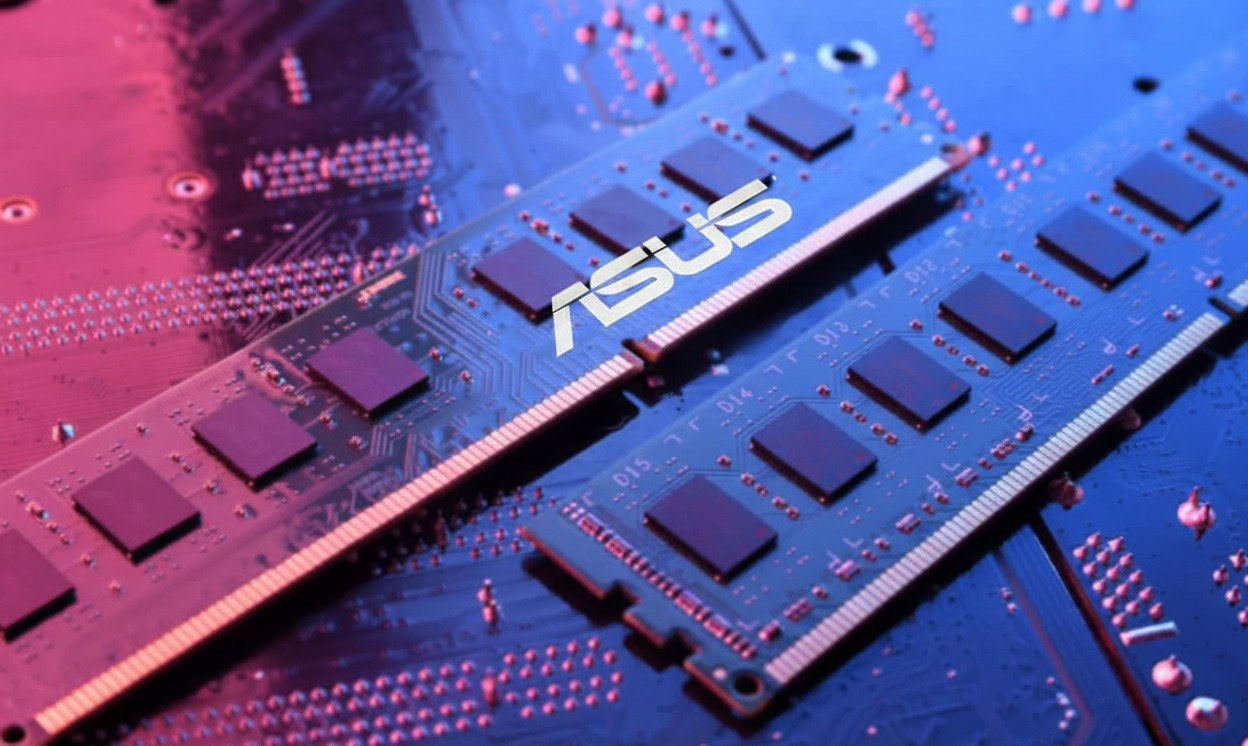
A report from the Persian news site Sakhtafzarmag indicates that ASUS aims to start producing memory chips independently by the second quarter of 2026. Currently, ASUS sells memory modules through its TUF and ROG gaming brands. However, these products rely on components from other companies, such as Micron and Samsung. Transitioning to in-house production would mark a significant shift for ASUS, transforming it from a hardware assembler to a chip manufacturer.
The primary motivation behind this plan is practical. Industry analysts predict that memory shortages might persist until 2028. By manufacturing its own DRAM, ASUS could secure a consistent supply for its laptops, desktops, and motherboards. This would enable the company to maintain lower retail prices while competitors struggle with rising costs.
The timing of ASUS’s potential entry into the market is noteworthy. Established companies like Micron have recently shifted away from some consumer segments to focus on high-margin AI and server memory, creating a gap in the enthusiast PC market that new entrants could exploit. If the report holds true, ASUS could successfully fill that need.
In-house production would not only safeguard ASUS’s supply chain but also allow the company to optimize memory modules for its own motherboards, enhancing performance and stability for end users.
Constructing a semiconductor fabrication plant is a significant endeavor that requires substantial investment and extensive technical refinement. However, for a company of ASUS’s stature, this move could be vital for long-term survival rather than mere profitability. If successful in meeting its internal demand, ASUS might eventually become a supplier for other PC manufacturers, diversifying its business model.
Until there is an official statement, these rumors should be approached with caution. Nonetheless, the prospect of a new player in the DRAM market is significant. If ASUS proceeds with this plan, it could lead to greater stability for customers affected by the ongoing hardware crisis. The tech community will be closely monitoring developments to see if 2026 marks a new era for ASUS and provides enthusiasts the opportunity to build their ideal setups without exorbitant costs.
—