



What has been your favorite new game this year? You can explore our selections in the complete Game of the Year Awards 2025 list. However, I have one more perspective to share that reflects a crucial element in PC gaming: performance.
Performance is more than just high frame rates, although that is also significant. A game might boast over 200 fps, but if the visuals are distorted or it suffers from instability, the gameplay experience can be severely compromised.
Over the past year, we have thoroughly examined the performance, graphics, and quality of 13 titles released this year. While many games have performed adequately—neither outstanding nor poor—there are a few that significantly excelled and others that fell short.
Three games distinguished themselves for their exceptional technical performance. They not only showcase impressive graphics and high frame rates but also maintain remarkable stability and offer a plethora of settings to accommodate various hardware configurations.
Conversely, another trio exemplified the opposite trend, presenting glitchy graphics, poor performance, and heavy dependency on powerful hardware or upscaling to achieve acceptable functionality.
The best examples of top game development in 2022
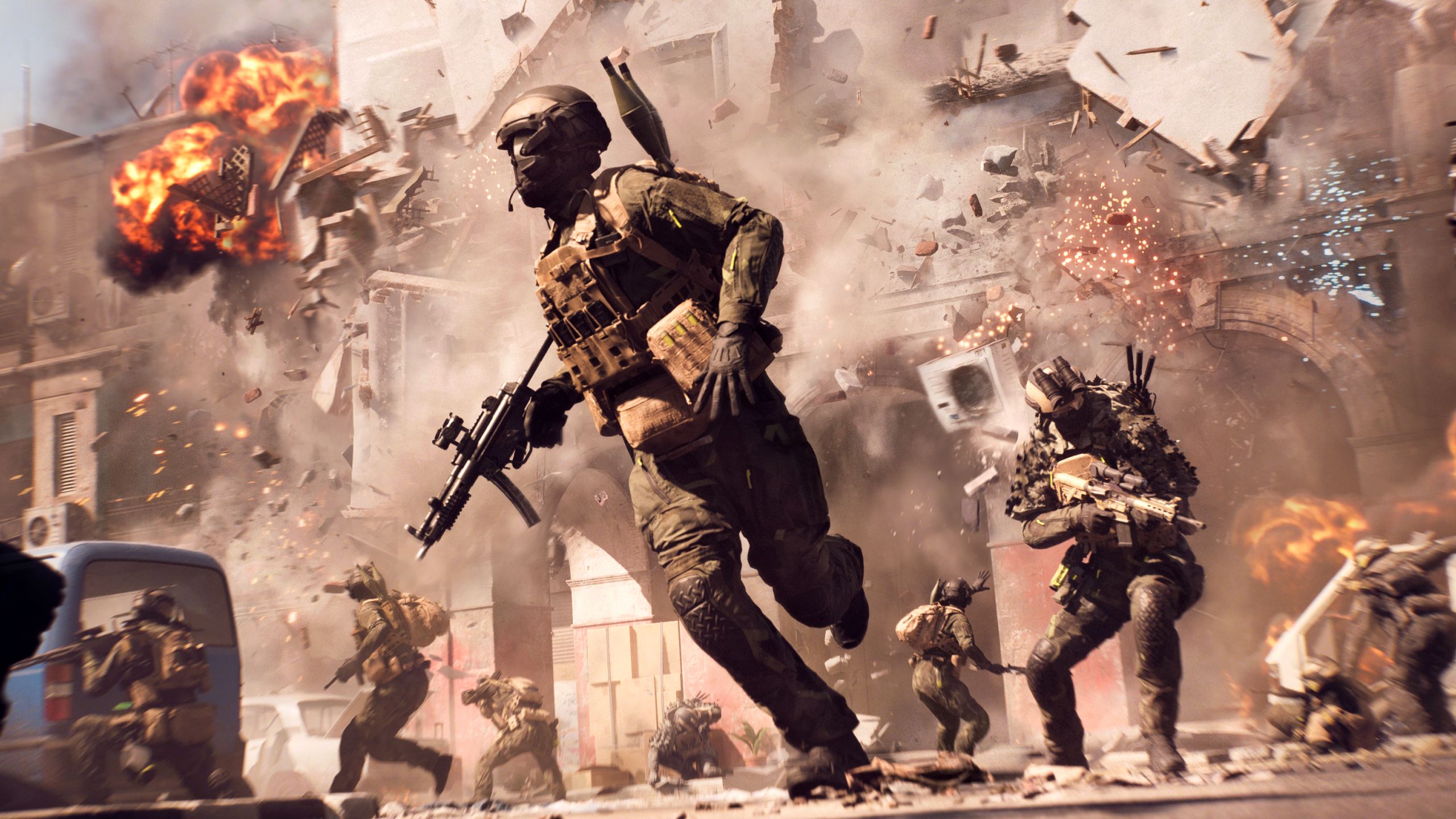
Battlefield 6 | 4K native, Max quality | Ryzen 9 9900X | RX 9070 XT
Our top-performing choice this year is Battlefield 6. This title has earned accolades for showcasing what a well-optimized game looks like in 2025, achieving a frame rate of 100 fps at 1440p on an RTX 4070 while using maximum quality settings without any upscaling.
Notably, its developers consciously avoided the latest rendering features to prioritize performance, yet the game remains visually appealing. Environmental destruction continues to be a highlight of the series, maintaining the epic feel of its predecessors.
Even at launch, Battlefield 6 was notably glitch-free and scaled effectively across a range of hardware generations, including older systems. Despite the promise showcased by many other titles in 2025, such consistent performance has not been the norm.
Kingdom Come: Deliverance 2 | 1080p, High quality, DLSS Quality | Ryzen 7 7735HS | RTX 4050
Kingdom Come: Deliverance 2 impresses as an expansive open-world game filled with breathtaking landscapes and vibrant towns, running smoothly akin to a Battlefield 6 experience.
Crytek’s CryEngine drives its performance; while it doesn’t fully implement hardware-based ray tracing, it effectively uses voxel-based software ray tracing, although screen-space reflections might not impress as much.
Its design cleverly masks shader compilation during loading times and background processes, ensuring an uninterrupted experience, even in densely populated areas.
With a modest RTX 4050 laptop managing to reach 60 fps at 1080p with high-quality settings and some DLSS upscaling, it’s clear the developers prioritized performance.
While performance may seem hindered by ray tracing in subpar games, Doom: The Dark Ages demonstrated that it could achieve a balanced performance even with these enhancements.
Doom: The Dark Ages | 1080p, Ultra quality, DLSS Quality | Ryzen 5 5600X | RTX 3060 Ti
Achieving 64 fps at 1080p Ultra quality (gaining over 90 fps with DLSS Quality) on a Ryzen 5 5600X and RTX 3060 Ti may not seem impressive, but it effectively incorporates ray tracing for lighting and reflections—indicative of commendable performance capability without upscaling.
However, Doom: The Dark Ages exhibits limitations in terms of scalability, as prior GPU models may struggle to run it, significantly affecting the experience, especially for lower-end users.
The poorest examples of game development in 2025
Monster Hunter Wilds | 1080p, Custom medium/high quality, FSR 3 Balanced + frame gen | Ryzen 7 5700X3D | RTX 3060 Ti
In a stark contrast, Monster Hunter Wilds launched as a problematic title and remains so many months later. It not only faces performance issues, struggling to reach 55 fps at 1080p on the lowest presets but also compromises on visual quality.
While adjusting graphical settings can optimize frame rates, the general aesthetic—characterized by blurry graphics and muted colors—does not commend with its performance shortcomings.
Certain hardware configurations can lead to severe stuttering in Monster Hunter Wilds, coupled with a limited application of ray tracing, indicating that the PC version was not a priority for developers. While visual quality improves with progression throughout the game, performance remains inconsistent.
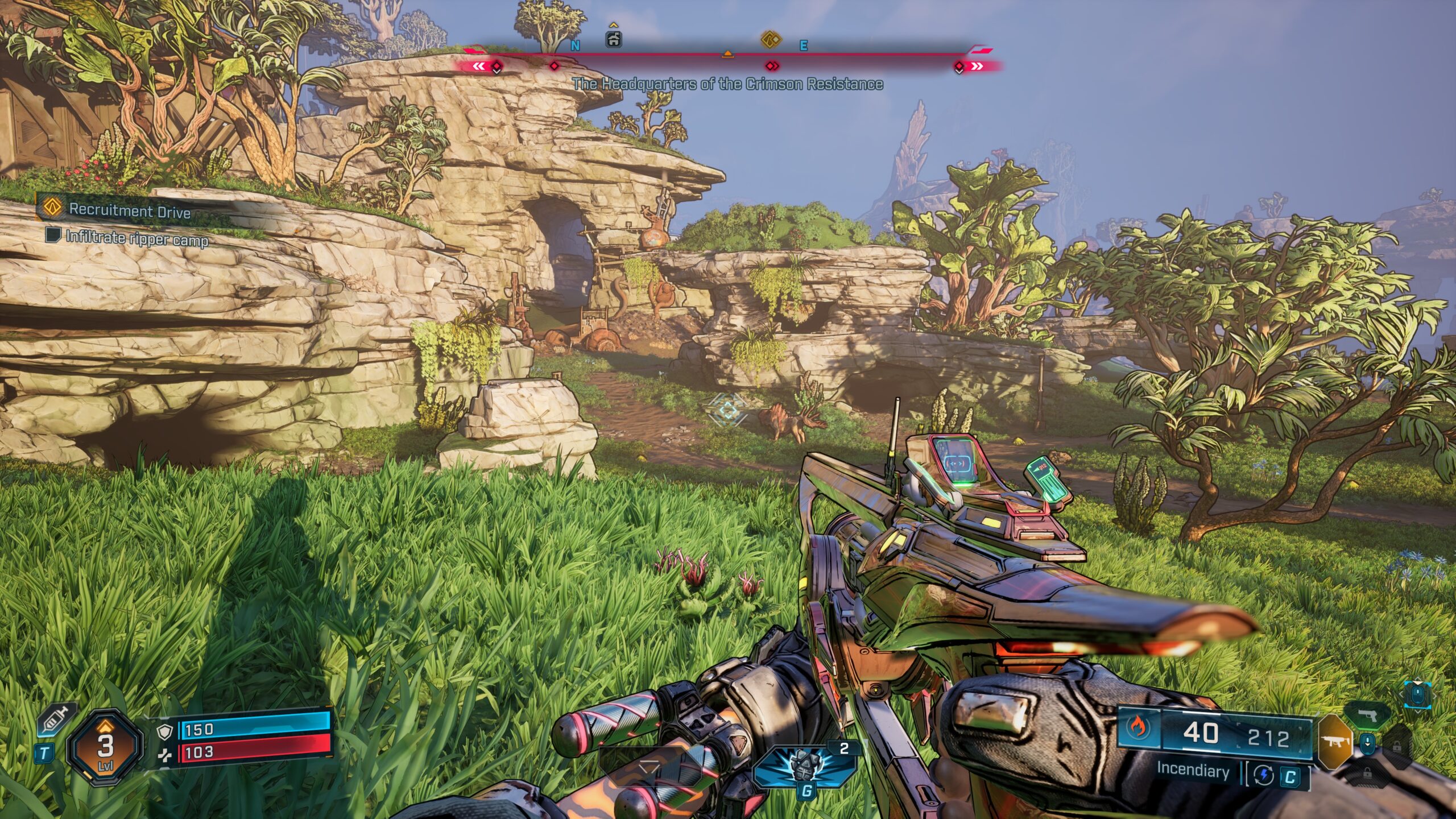
Borderlands 4 | 4K native, Badass quality | Ryzen 7 9800X3D | RTX 5090
Despite Gearbox’s CEO claiming the game’s performance issues were unrelated to the title itself, Borderlands 4 underwhelmed many, only reaching 40 fps with a high-end setup at 4K Badass quality indoors.
While stability updates have been issued, the game remains less performant compared to its peers. The Unreal Engine 5-based title’s issues can largely be attributed to development decisions rather than the software itself.

While Borderlands 4 is visually impressive, the high demands of graphics quality cause inefficiencies, particularly given the series’ historical aesthetic. While improvements have been made, many players may have already moved on by the time issues were resolved.
For the poorest-performing game this year, competition was fierce. Titles such as Elden Ring Nightreign experienced significant issues, yet players seemed forgiving due to prior expectations from the developer. Furthermore, Avowed launched with notable performance variations, while Civilization 7 struggled with compatibility across systems.
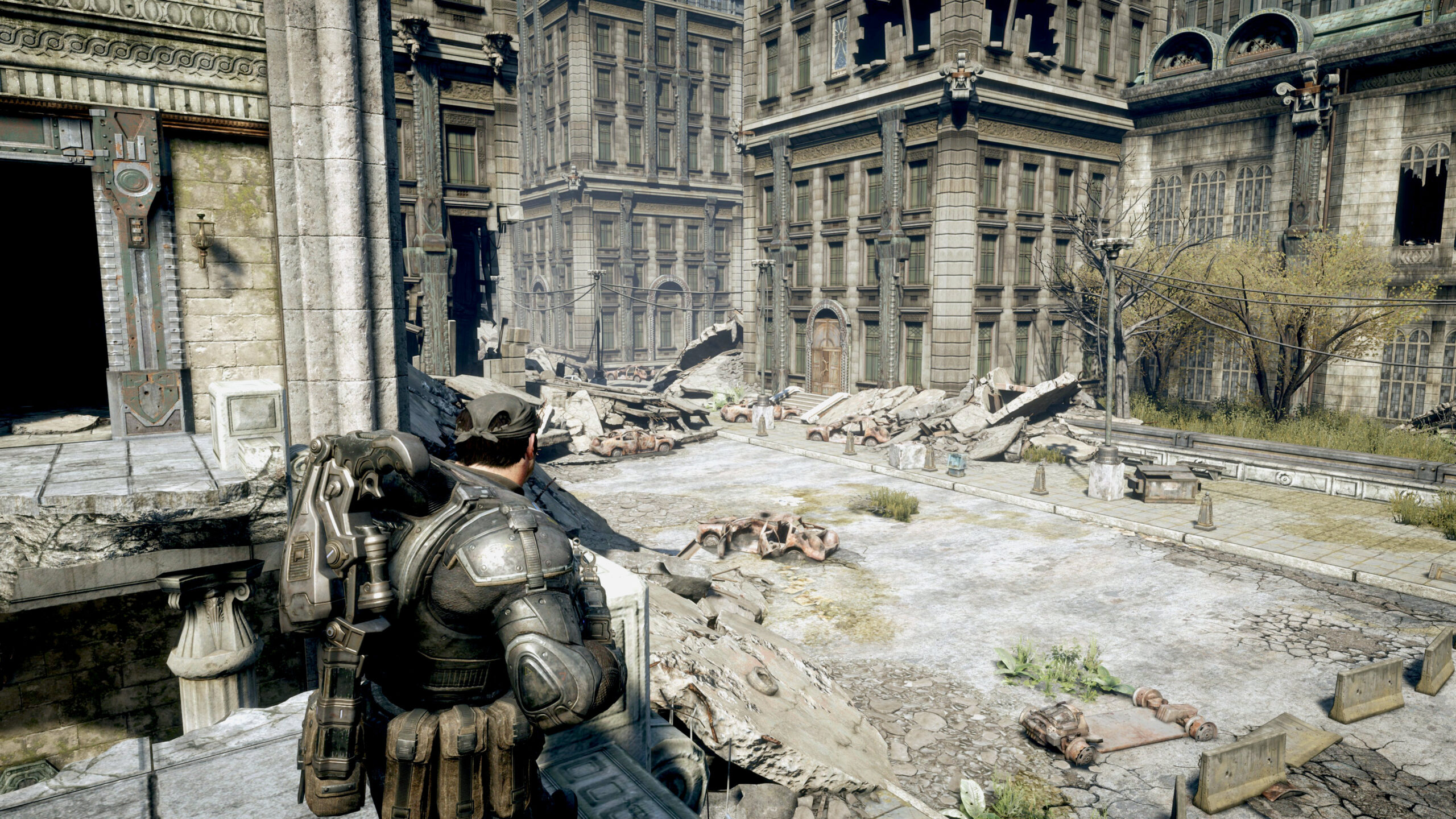
Gears of War: Reloaded | 1080p, Custom low quality, FSR Balanced | Asus ROG Ally
Featured among the disappointments is Gears of War: Reloaded, a remaster of the 2016 release, which ultimately performs inconsistently, even on older systems using the Ultra quality preset. While it operates acceptably on gaming PCs, performance suffers significantly on handheld devices.
The game frequently drops below 40 fps, resulting in an unpleasant experience. Overall, the workload on CPU combined with inefficient outdoor scenes presents challenges that diminish user satisfaction.
While this overview did not delve into the specifics of each game released in 2025, it provides an insightful perspective into the current landscape of game development. It appears that optimizing PC performance often caters to console standards, leading to a generalized approach this year.
Whether significant changes will emerge in 2026 in response to the criticisms directed at titles like Borderlands 4 and Monster Hunter Wilds remains to be seen. Nonetheless, it is likely that future games will continue to utilize techniques such as upscaling and frame generation to achieve acceptable performance levels, while ray tracing will present both challenges and visual brilliance.
Optimistically, with the success of titles like Kingdom Come: Deliverance 2 and Battlefield 6, there is hope that upcoming releases will also deliver quality performance and aesthetics.
—
Source link