

Nobel Prize Winner Warns of AI’s Job-Destroying Potential
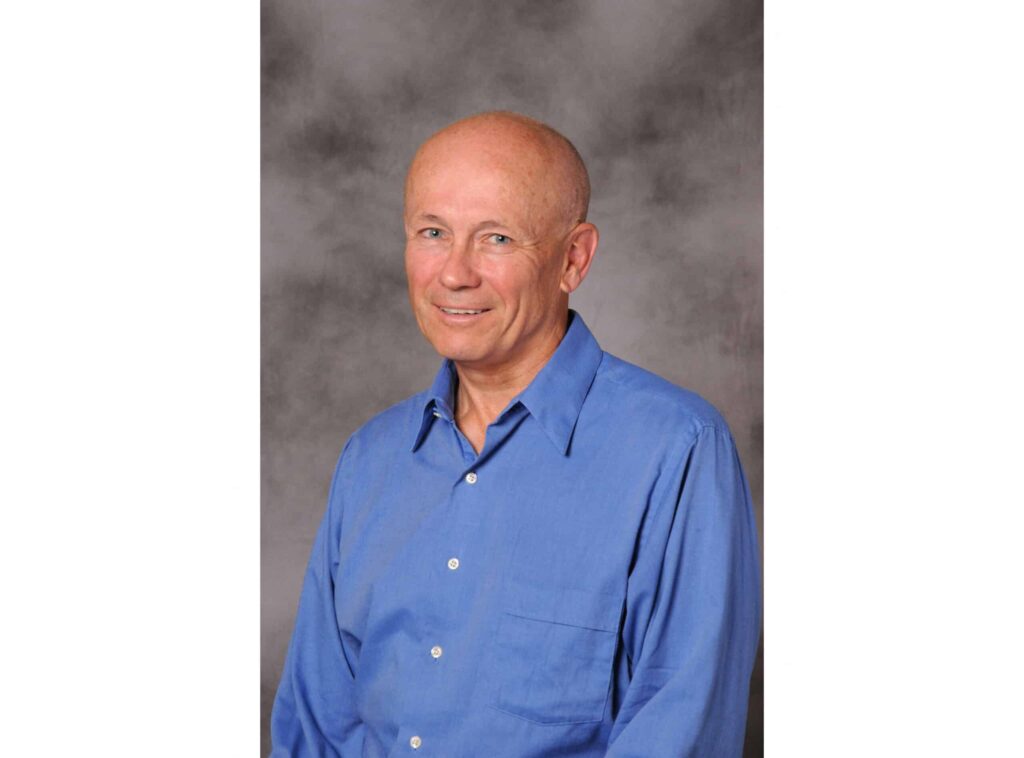
Peter Howitt, a Canadian economist and professor emeritus at Brown University, who recently won the Nobel Prize in economics, expressed concerns about artificial intelligence (AI) during a news conference. He highlighted that while AI presents “amazing possibilities,” it also poses risks to employment, necessitating regulation.
Howitt’s comments come amid increasing worries about AI’s societal impact and its effects on the labor market. On the same day, California Governor Gavin Newsom signed a groundbreaking law to regulate interactions with AI chatbots, countering a federal push for less oversight.
Howitt was recognized by the Royal Swedish Academy of Sciences for his research on how technology influences economic growth. Alongside fellow laureate Philippe Aghion, he explored the concept of “creative destruction,” where new products displace older ones in the market.
He noted the uncertainty surrounding AI leadership and its potential for creative destruction. “It’s obviously a fantastic technology with amazing possibilities, but it also has the potential to destroy jobs or replace skilled labor,” he stated, emphasizing the need for regulation to address these conflicts.
Howitt, 79, described this moment as significant in human history, comparing it to past technological revolutions, such as the telecommunications boom and the advent of electricity. He acknowledged the dual nature of technology, which can enhance labor rather than merely replace it.
In contrast, fellow Nobel laureate Joel Mokyr, an American-Israeli economist, took a more optimistic view on AI’s impact on jobs. He argued that machines do not replace humans but rather shift them to more engaging and challenging work. Mokyr’s research focused on the conditions necessary for sustained economic growth through technological advancement.
Mokyr expressed concern about labor shortages due to an aging population rather than technological unemployment. Howitt reflected on his early research with Aghion, recalling their belief that their work would eventually lead to a Nobel Prize, which has now come to fruition.
—