
Understanding Virtual Private Networks (VPNs)
Virtual Private Networks, commonly known as VPNs, are an important tool in the digital age, providing users with enhanced privacy and security online. This article aims to explain what VPNs are, how they work, their benefits and limitations, and situations where they might be useful.
What is a VPN?
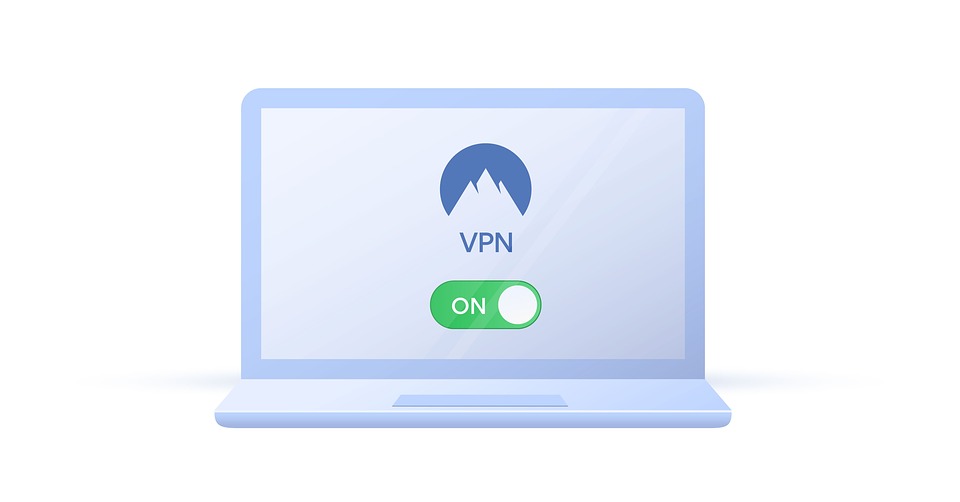
A VPN is a service that creates a secure connection over the internet. It allows users to send and receive data as if their devices were directly connected to a private network. The core function of a VPN is to encrypt data and mask a user’s IP address, making online activities more private.
Key Terms
- Encryption: This is the process of converting information or data into a code to prevent unauthorized access.
- IP Address: Each device connected to the internet has a unique identifier called an IP address. It can reveal information about the device’s location.
How Does a VPN Work?
When you connect to the internet through a VPN, your device connects to a remote server operated by the VPN provider. All your internet traffic is routed through this server. Here’s a step-by-step breakdown:
- Connection: You initiate a connection to a VPN server from your device.
- Data Encryption: The data you send and receive is encrypted. This means it is transformed into a secure format that is difficult to decipher.
- IP Address Masking: Your original IP address is replaced with the IP address of the VPN server, making it appear as if you are browsing from a different location.
- Accessing Content: This setup allows you to access content that might be restricted or blocked in your region.
Benefits of Using a VPN
1. Enhanced Privacy
Using a VPN can help maintain your privacy. By masking your IP address, it becomes harder for websites and services to track your online activities. This could be particularly important for individuals concerned about data privacy.
2. Security on Public Wi-Fi
Public Wi-Fi networks, such as those in coffee shops or airports, are often not secure. Using a VPN on these networks adds a layer of security, reducing the risk of data theft by encrypting your online activities.
3. Bypassing Geo-Restrictions
Some content on the internet is restricted based on geographic location. By connecting to a VPN server in a different country, users can access websites, services, or content that may not be available in their own country.
4. Avoiding Bandwidth Throttling
Some internet service providers may intentionally slow down your connection speed based on your online activities (like streaming or gaming). A VPN can help avoid this throttling by hiding your activities from your ISP.
Limitations of Using a VPN
1. Slower Speeds
While a VPN can enhance security and privacy, it can also slow down your internet connection. This slowdown can result from the encryption process and the distance to the VPN server. Depending on the server’s load and your own connection speed, the degree of slowdown can vary.
2. Trusting VPN Providers
Using a VPN involves trusting the service provider with your data. While a reputable provider may prioritize user privacy, it is essential to conduct thorough research about the provider’s policies and practices.
3. Legal and Policy Issues
In some countries, the use of VPNs may be restricted or even illegal. It’s essential to be aware of local laws before using a VPN, as violating them could lead to penalties.
When to Consider Using a VPN
Using a VPN can be beneficial in a variety of situations, including:
- Traveling: If you frequently travel, a VPN can help you access content from home and secure your data on public Wi-Fi networks.
- Remote Work: For individuals working from home or accessing corporate resources remotely, a VPN can secure connections to sensitive company data.
- Streaming: For media consumers seeking to access shows or movies not available in their region, a VPN might provide a solution.
Conclusion
Virtual Private Networks offer a range of benefits that can enhance security and privacy while using the internet. However, they are not a one-size-fits-all solution. Understanding how VPNs work, along with their benefits and limitations, can help individuals make informed decisions about whether to use them. Always consider personal needs and local regulations before opting for a VPN.