

Introduction
Hello, I’m Ivan, one of the editors and the primary photographer for GSMArena.com. I’ve been part of this team for several years, gaining a unique perspective on the smartphone landscape. Recently, I’ve observed significant shifts in our smartphone experiences. Today’s smartphones are more sophisticated than ever.
Most of my colleagues and I opt for flagship devices as our daily drivers, influenced by brand reputation and software approach. There was a time when we were divided between the latest iPhone and Galaxy models. Then, the Pixel series gained traction for a while, followed by a phase of Samsung dominance. However, that trend seems to be waning (just take a look at last year’s top 5 phones lists).
Over time, fewer editors and reviewers are using iPhones, and even fewer are sticking with Galaxy devices, as there’s been a noticeable shift towards flagship models from Chinese brands like Xiaomi, vivo, Honor, Oppo, and OnePlus. This change began when these brands enhanced their camera hardware, first introducing 1-inch sensors and more recently, innovating in zoom technology. I vividly remember my first experience with the vivo X100 Ultra’s 85mm zoom camera – it was astonishing. It made my Galaxy S24 Ultra feel ordinary, prompting me to switch to vivo’s flagship, and I haven’t looked back since.
I’m not the only one at GSMArena with this story. A few colleagues have similar experiences – one transitioned from a Galaxy Note to a Galaxy S, and occasionally an iPhone Pro or Pixel, but now identifies as ‘Team vivo’ too. Another switched from Galaxy to OnePlus and then to Xiaomi Ultra. Yet another was a Galaxy Fold devotee until he discovered the Honor Magic series.
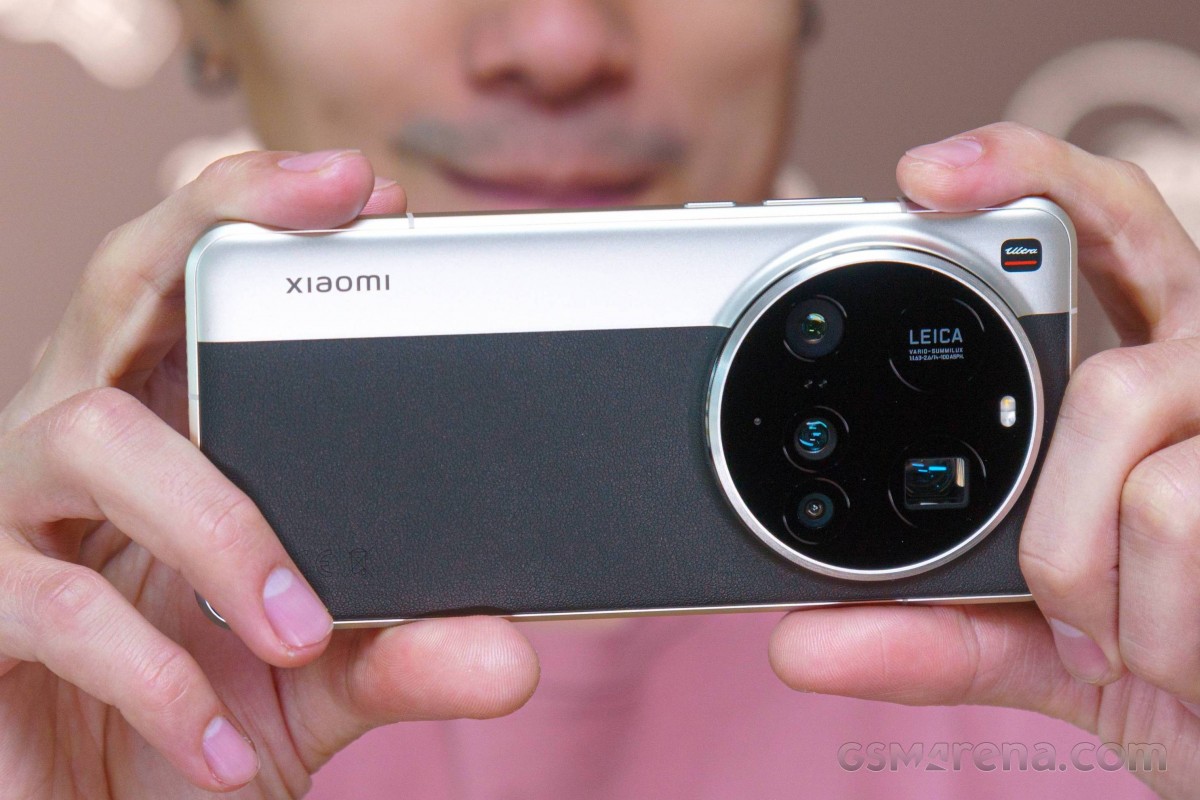
The motivations varied – most of us selected our respective Ultra daily drivers for their exceptional camera systems, while some specifically chose foldables. This brings us to the most significant difference between past smartphone choices and today’s norms. Foldables have reached a level of quality comparable to other flagship devices, complicating our decisions.
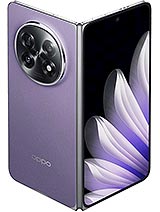
Recent flagship foldable phones like the OnePlus Open (and its counterpart, the Oppo Find N3), the vivo X Fold3 Pro, the Honor Magic V3, the Oppo Find N5, the Honor Magic V5, and even the Google Pixel 10 Pro Fold and Galaxy Z Fold7 are all outstanding. Each is slim, folds flat, offers some water resistance, and, in a groundbreaking development, some even include dust protection now.
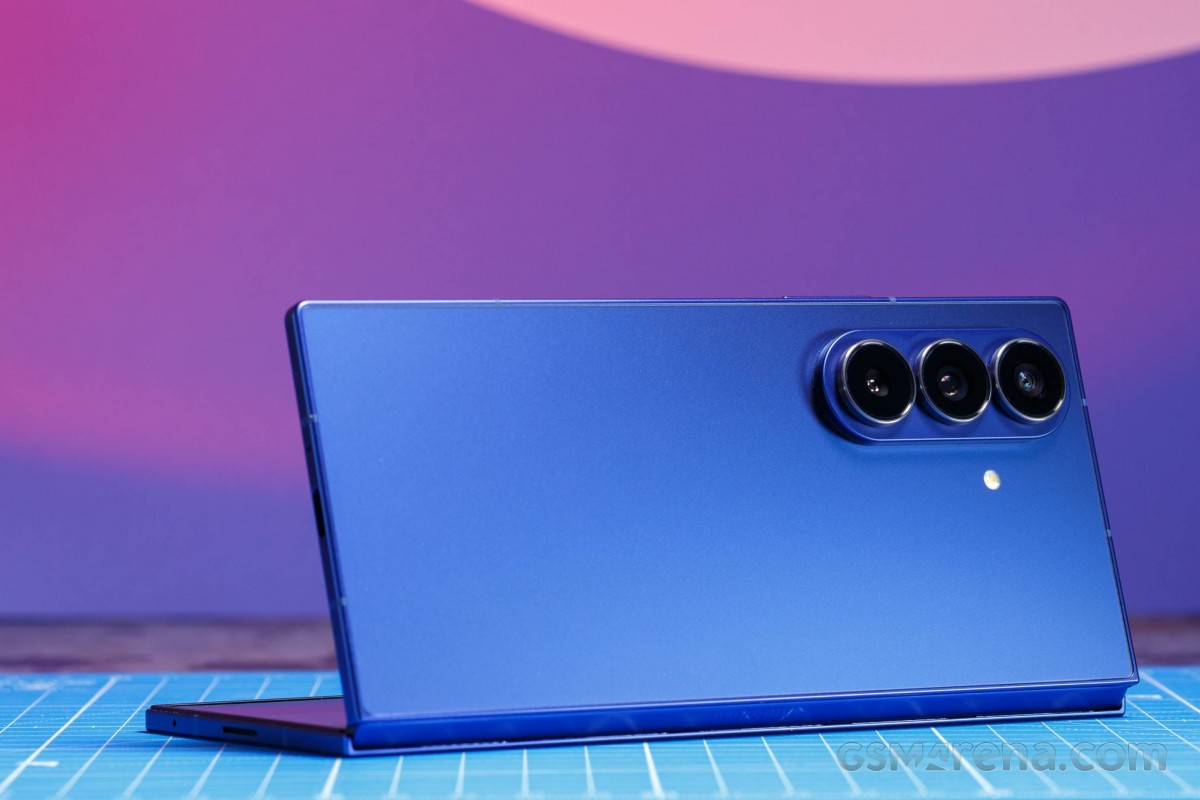
The final factor that makes foldables a viable option for those of us who demand top-notch camera performance is that book-style foldables are now, at last, quite proficient at capturing photos and videos!
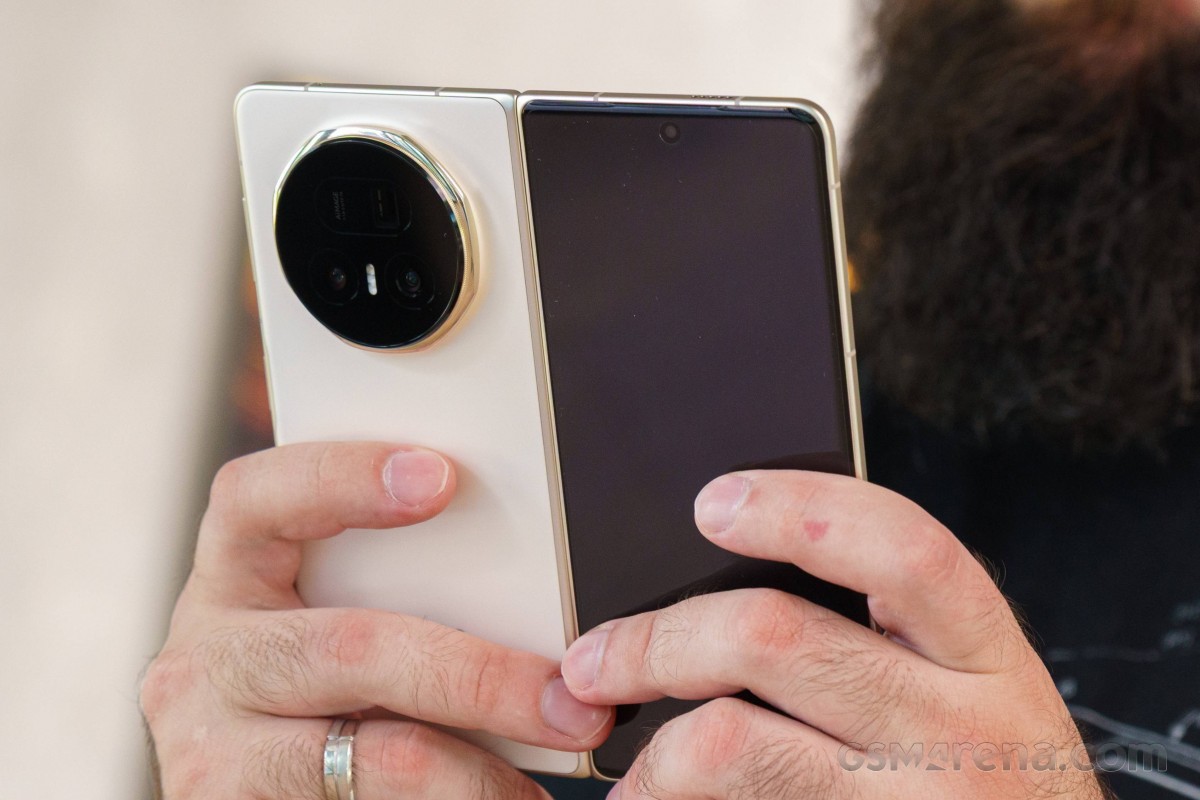
Naturally, I contemplated making the switch. I previously used a foldable – the Galaxy Z Fold4 – but found its camera capabilities lacking. I then spent some time with the Oppo Find N3 and was impressed. It was (alongside the OnePlus Open) one of the first foldables to excel in photography. However, it had a limited Chinese ROM (no Google Pay, unlike the vivo), so I reluctantly returned to my Galaxy S23 Ultra.
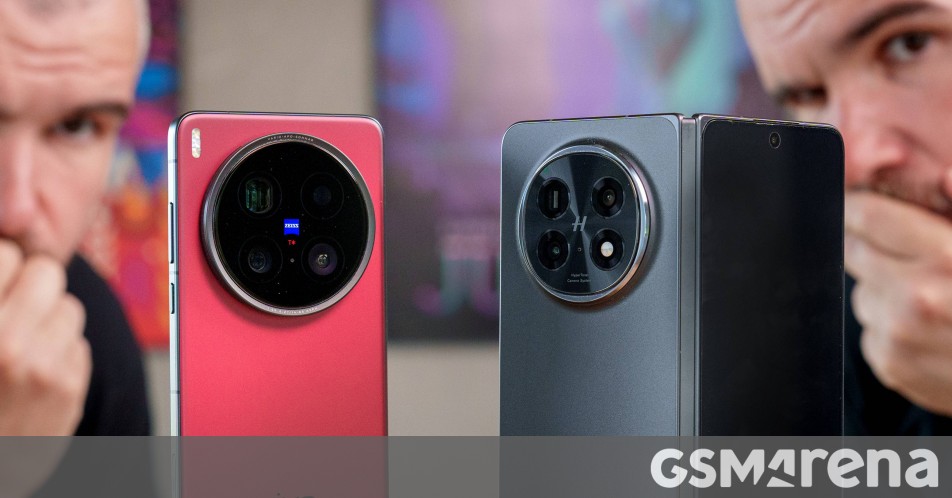
Currently, I’m using the vivo X200 Ultra for several reasons, the most significant being its incredible photo quality. I also read extensively on my phone, binge-watch videos, and scroll through social media. Plus, my eyesight isn’t what it used to be, and a larger screen is more comfortable these days. This led me to crave a tablet that can fold and fit in my pocket. So, I faced a dilemma – should I choose a traditional bar phone with a superior camera or a book-style foldable? Do I prioritize a larger display or better photography?
Samsung Galaxy Z Fold7
To resolve this, I decided to test the Oppo Find N5 alongside the vivo X200 Ultra for a few weeks to determine my preference. The result? I’ve become even more conflicted, if that’s even possible.
While I focus on the vivo and the Oppo, the same question could easily apply to the Galaxy S25 Ultra and the Galaxy Z Fold7, or the Honor Magic8 Pro and the Magic V5.
The bar phone is still a solid choice
You can’t go wrong with a bar-style phone. It’s a well-established design – years of smartphone evolution have led us to this point. These devices now offer over 6,000mAh batteries with rapid charging, a 6.8-inch high-resolution OLED display with a high refresh rate, premium materials, and an excellent in-hand feel, all weighing around 220-230 grams.
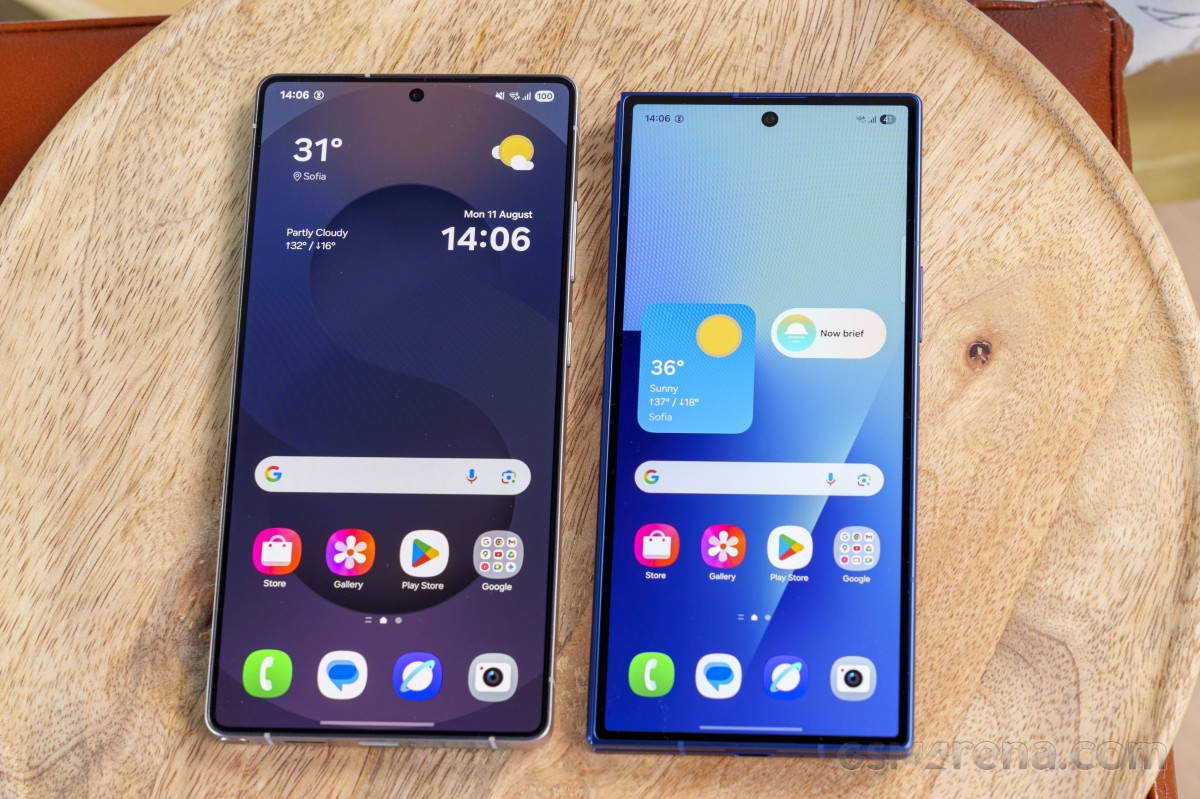
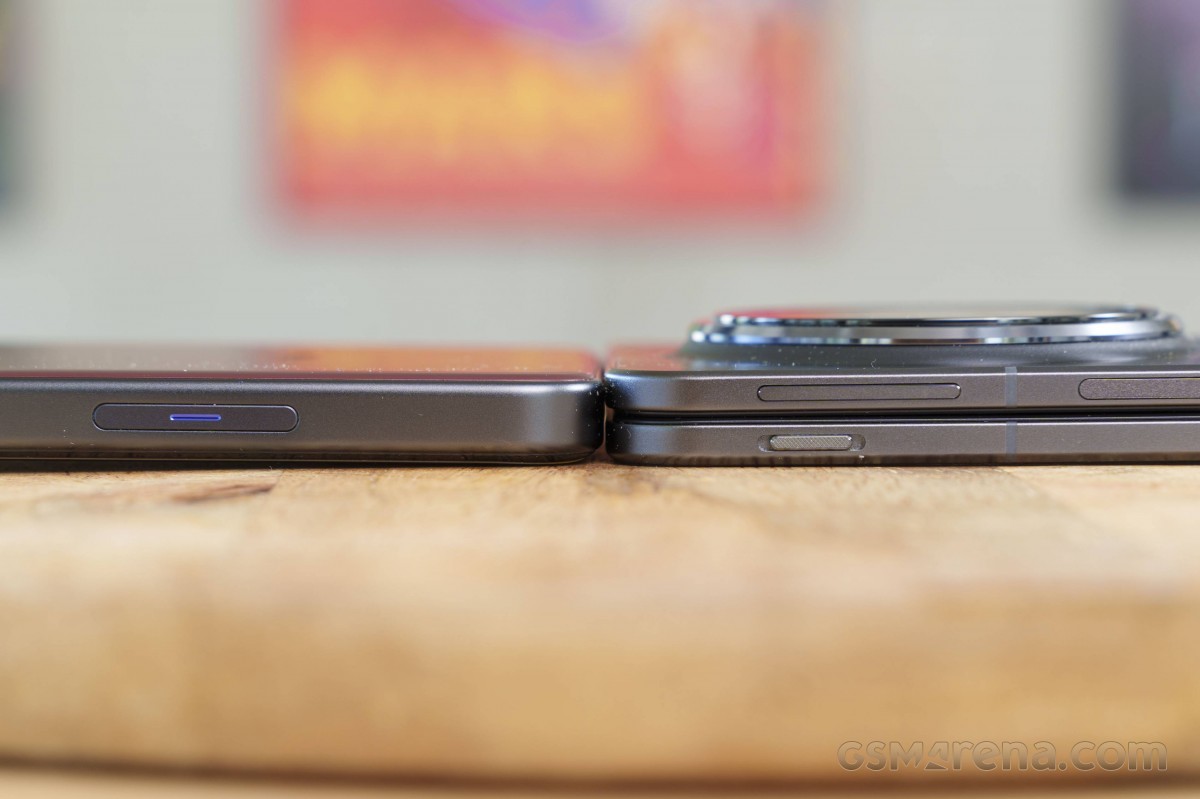
However, the best foldables today can match that. The Oppo Find N5 weighs the same 229 grams as my vivo X200 Ultra and has a similar footprint (even slightly smaller) when folded – 160.9 x 74.4 x 8.9 mm compared to the X200 Ultra’s 163.1 x 76.8 x 8.7 mm. So, do the X200 Ultra and other flagships outperform the Find N5 or Galaxy Z Fold7 in any way? Yes, in a few aspects.
Samsung Galaxy S25 Ultra
For one, the absence of moving parts in a conventional smartphone makes it better protected against water and dust. The latest bar phones boast an IP69 rating for high-pressure and high-temperature water jets. You could debate whether that added protection is worth it, but it’s certainly there.
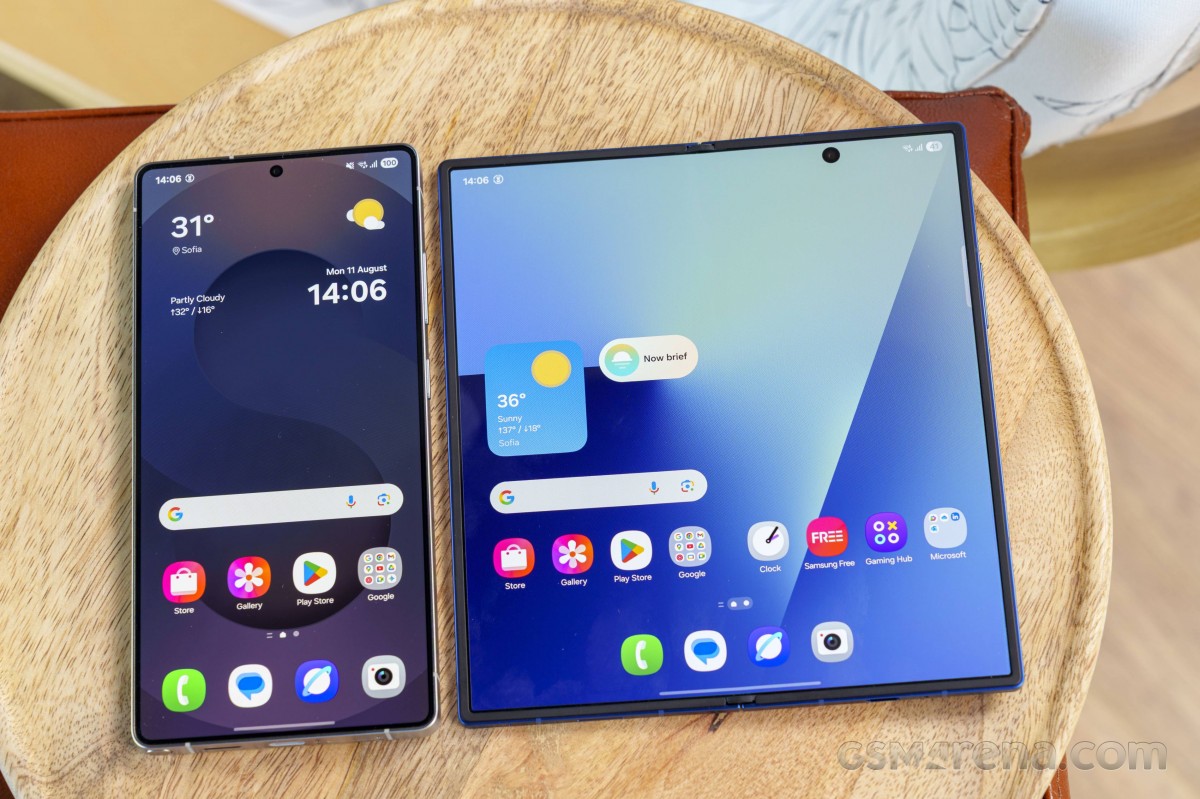
More importantly, they are called cameraphone flagships for a reason. The vivo X200 Ultra, Xiaomi 15 Ultra, Oppo Find X8 Ultra, and Huawei Pura 80 Ultra can accommodate larger camera modules. Their telephoto cameras, in particular, feature sensors comparable in size to the Galaxy Z Fold7’s or Honor Magic V5’s main cameras (or even slightly larger), necessitating larger glass elements. These components take up significant space that the slim folding flagships lack.
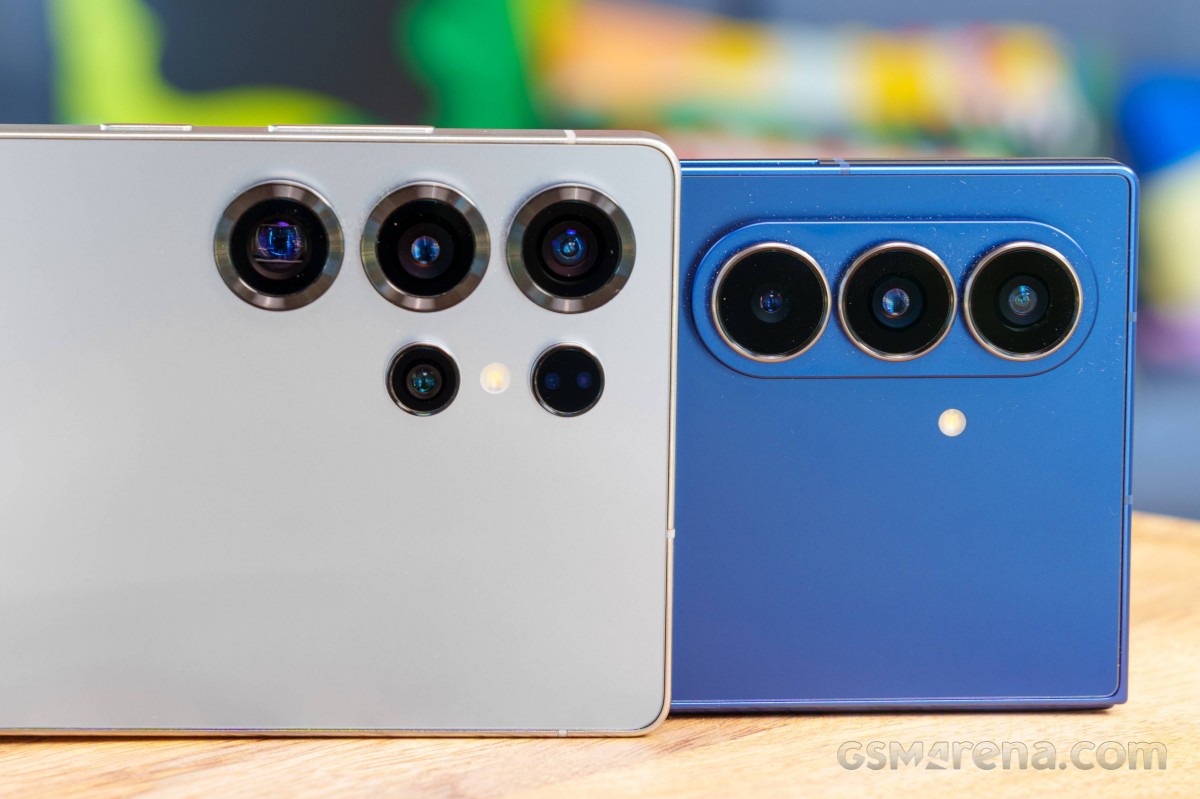
This is the primary advantage of a conventional smartphone. So, how significant is the difference between a vivo X200 Ultra and an Oppo Find N5? In short, quite a lot. In detail, you might not notice it.
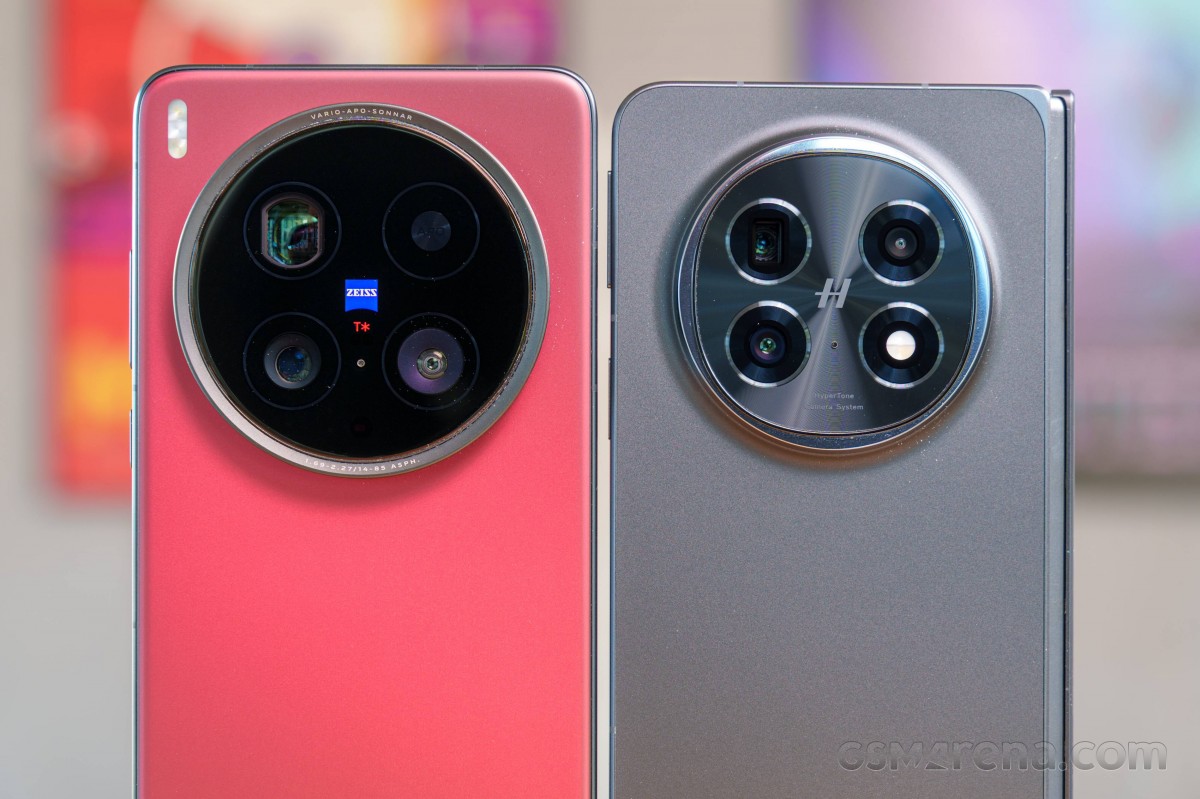
We won’t delve too deeply into this; this isn’t a comparison review. When comparing the main cameras, you’ll find similar on-screen quality from both devices. The vivo’s 35mm shooter is technically superior and performs better in various lighting conditions, but when viewing images on-screen, either option will satisfy.



Wide-angle camera vivo X200 Ultra



Wide-angle camera Oppo Find N5
vivo’s ultrawide camera is exceptional, thanks to what the company refers to as a “main cam sensor.” Its images are noticeably superior to those from the Find N5, even in the gallery grid. This isn’t surprising – vivo opted for a large sensor and high-quality optics, while Oppo used a smaller sensor and a standard lens.

Ultrawide: vivo X200 Ultra • Oppo Find N5
The same applies to the telephoto cameras. Oppo’s 50MP 1/2.75″ sensor is decent, and the 75mm f/2.7 lens is satisfactory, even excellent for its category. However, vivo’s 200MP 1/1.4″ sensor is significantly larger, and the 85mm f/2.3 lens is far superior. The difference in image quality and texture is evident; vivo’s photos exhibit deeper contrast and more vibrant colors.






Telephoto camera vivo X200 Ultra






Telephoto camera Oppo Find N5
Even the selfie camera on the vivo X200 Ultra outshines the Find N5’s. It features a 50MP large-sensor camera compared to an 8MP smaller sensor.


Selfie: vivo X200 Ultra • Oppo Find N5
Indeed, the camera flagship phone outperforms the book-style foldable. However, most users aren’t overly concerned with their smartphone cameras and will find Oppo’s imaging capabilities more than adequate. Additionally, many may find the size of the X200 Ultra’s camera island to be excessive. This sentiment applies to the Xiaomi 15 Ultra, Oppo Find X8 Ultra, and Huawei Pura 80 Ultra.
For those like me, who demand the best camera performance from their phones, it’s only a matter of time before foldables reach a level of quality that makes the difference negligible.
Oppo Find N5
Ultimately, the most compelling reason to choose a conventional flagship is the price. While conventional flagships have become increasingly expensive, they remain significantly cheaper than foldables. The Galaxy S25 Ultra is currently priced around €1,000 for the 12/512GB model, which is still much less than the €1,500 cost of the Galaxy Z Fold7.
Foldables are the future of the flagship smartphone, no two ways about it
Book-style folding phones are just beginning to excel. The Galaxy Z Fold initiated this segment, and it has recently improved significantly in its seventh generation. Foldables are becoming thinner, better protected, and are gradually overcoming their limitations. They feature large batteries and impressive cameras with respectable zoom capabilities. They will continue to improve in the coming years, and one could argue that traditional bar phones have already peaked.
Will it be feasible for a foldable to accommodate such a large camera module while remaining user-friendly? I believe so. It’s merely a matter of time.
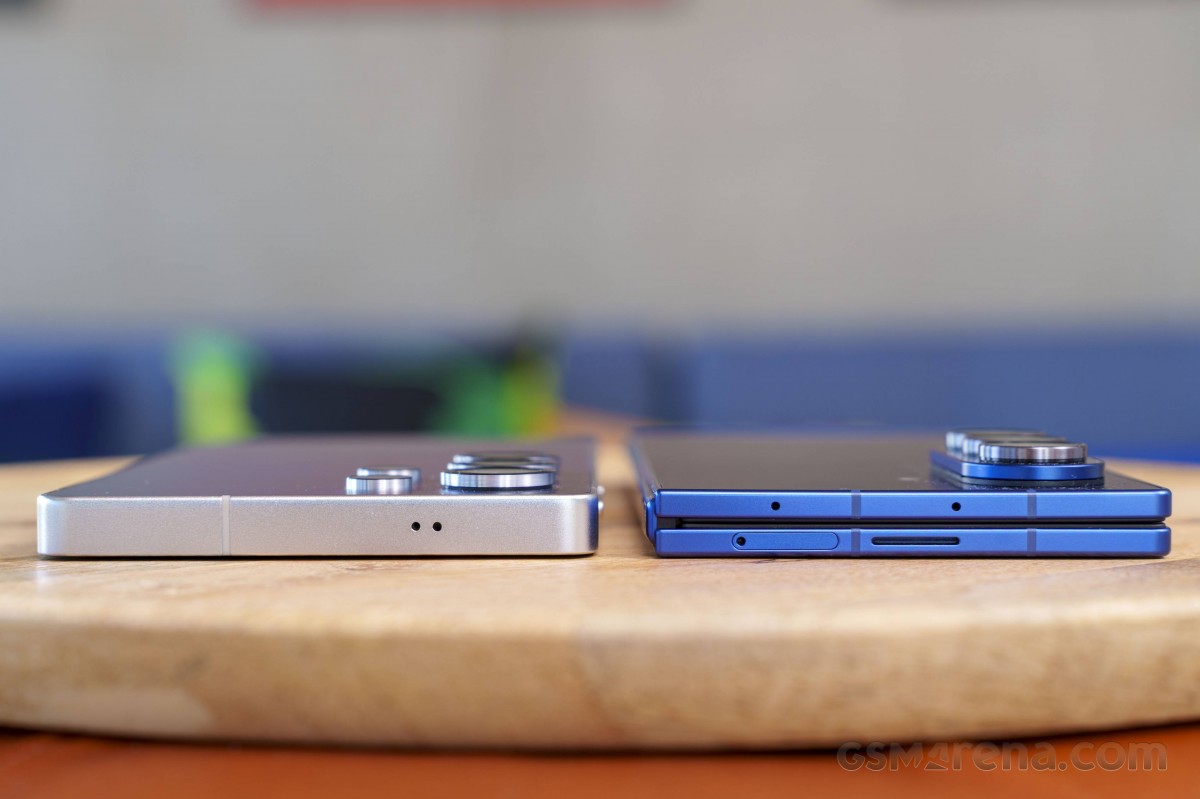
A foldable offers the advantage of feeling smaller than a typical flagship bar phone when folded, while providing a much larger display when needed.
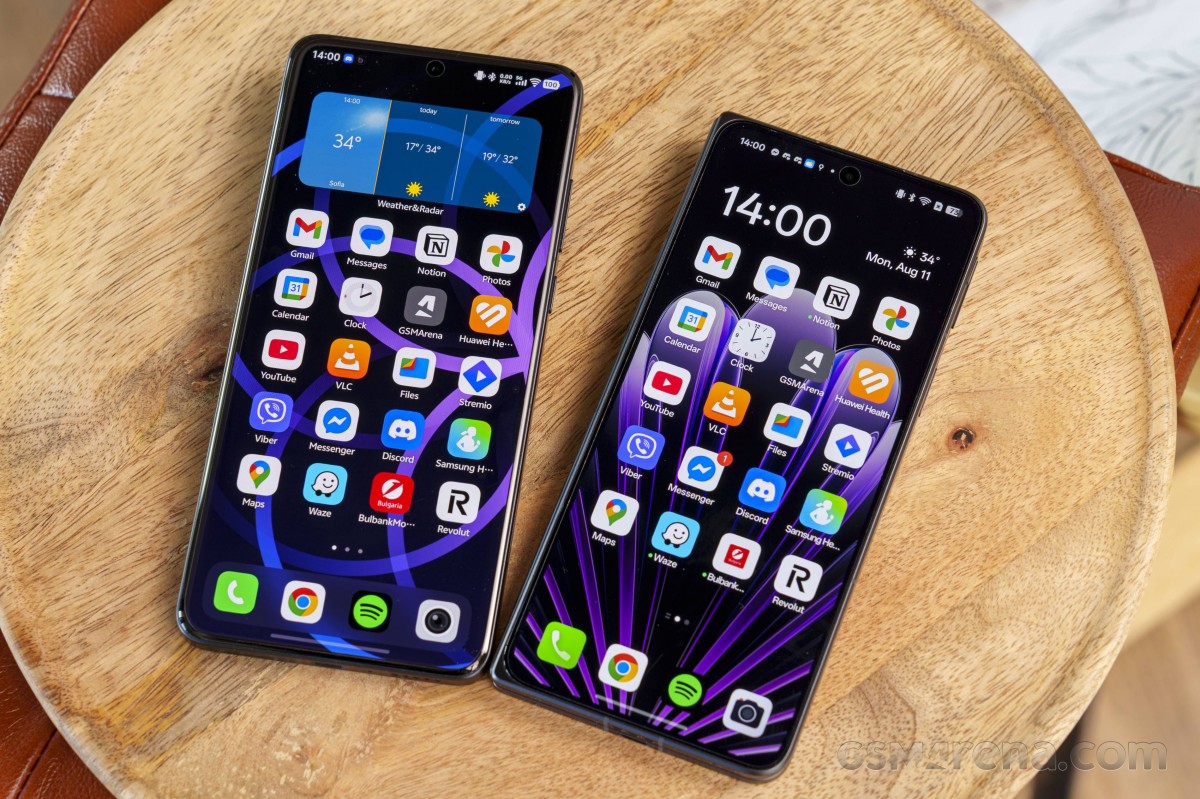
Transitioning from the 6.8-inch X200 Ultra display to the 6.6-inch screen on the Find N5 isn’t a drastic change. However, once you unfold the Find N5 (or Fold7, or Magic V5), you’re in an entirely different realm. The 8.12-inch nearly-square inner display of the Find N5 is exceptional for browsing, reading, viewing photos, or even watching videos, making me reluctant to return to my vivo.
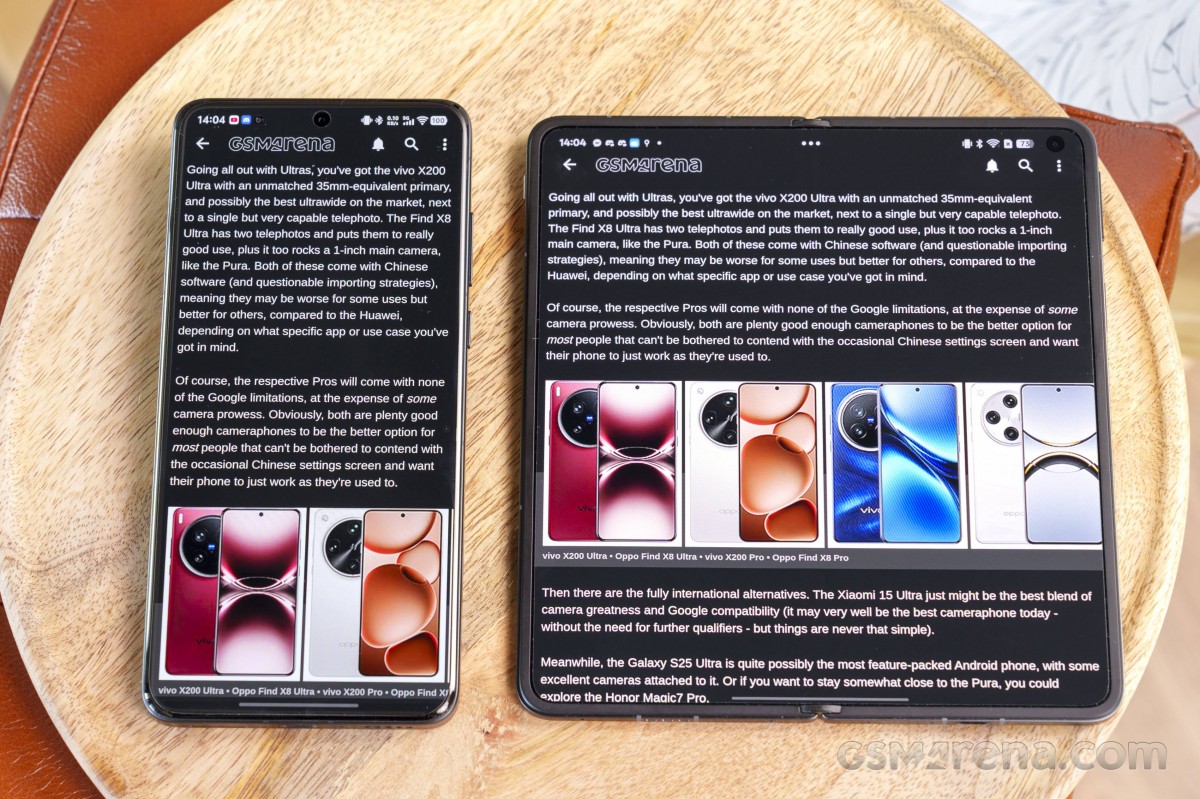
Most of the arguments against folding phones have become outdated. In fact, the Find N5 even offers battery life comparable to the vivo X200 Ultra – nearly as good when unfolded and superior when closed.
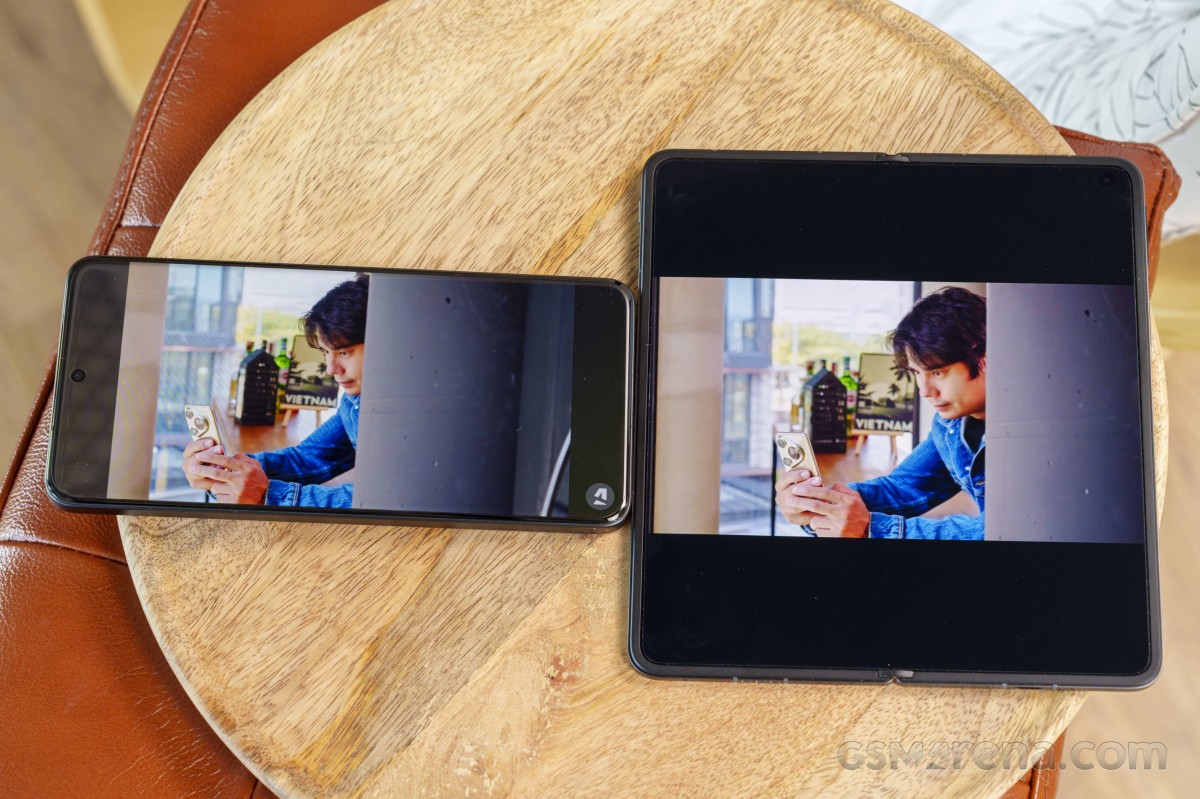
In a year or two, foldables may begin to surpass classic bar-style phones at the pinnacle of the flagship market. Why wouldn’t you want a device that is roughly the same size when folded but offers a small tablet experience when unfolded? Given that we spend most of our time looking at screens, we might as well make them the best possible displays available.
Will there ever be a foldable with an Ultra-matching camera system?
Foldables have not prioritized having the absolute best camera systems for several reasons. First, the market doesn’t demand it (yet). Buyers of book-style folding phones prioritize thinness and lightness over camera performance. They are generally satisfied with the current level of camera quality in folding devices.
Moreover, fitting a large camera system into a folding phone without reverting to the thickness of earlier models is quite challenging. In fact, many people shy away from devices like the vivo or Xiaomi Ultra due to their size and balance issues.
So, don’t expect to see the Xiaomi 15 Ultra or vivo X200 Ultra camera module on a folding phone anytime soon.
However, advancements in imaging technology over the next few years may enable similar capabilities in a more compact form, paving the way for flagship camera systems on foldable phones. Devices like the Magic V5 are already approaching this standard.

Honor Magic V5 • Oppo Find N5 • vivo X Fold5
So where does that leave me?
I experimented with the foldable lifestyle and found it nearly irresistible. Having that 8-inch canvas for a few weeks was a fantastic experience. It enhanced my enjoyment of reading and viewing photos and videos. Beyond the obvious benefits of a foldable phone, I discovered that the act of opening and closing this powerful little device is quite addictive!
There’s also the subjective pleasure of using a smaller phone, which the Oppo Find N5 is, compared to the vivo X200 Ultra when folded.
Ultimately, I prioritized my needs and returned to the vivo X200 Ultra. It’s the device that captures the best photos and videos, at least in my opinion. However, it wasn’t an easy choice, and I’ve resorted to using an older Galaxy Z Fold4 as my binge-watching device in the evenings.
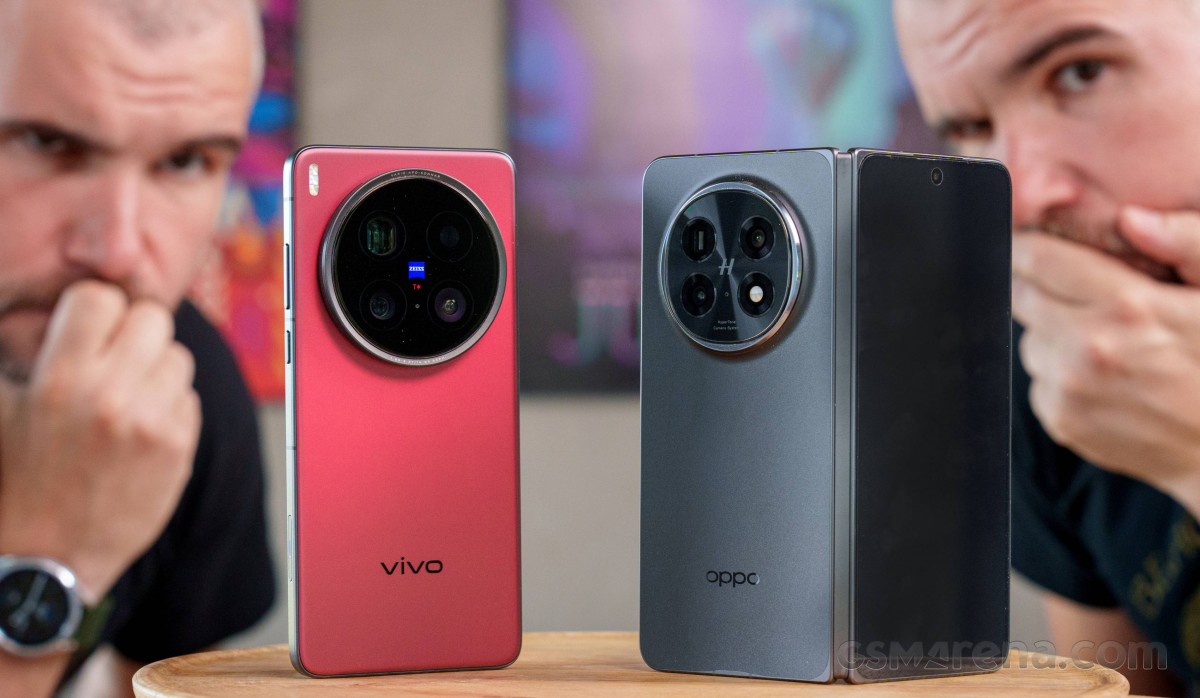
I’m now convinced that my time with traditional bar-style phones is nearing its end. I’m on the lookout for the next-generation super foldable that advances camera technology to a level where it rivals the vivo X200 Ultra, making the difference negligible.